PHONE NUMBER :
+254 700 000 000
EMAIL ADDRESS :
enableyouth@kilimo.go.ke

About Us
INTRODUCTION
KNOW MORE ABOUT US
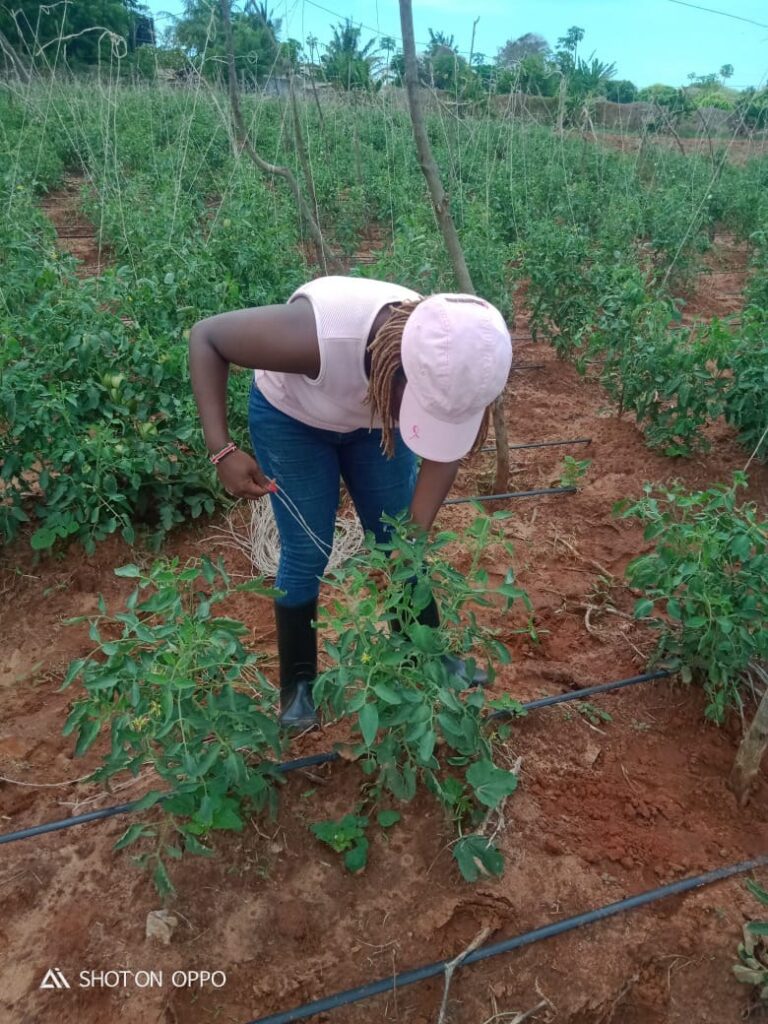
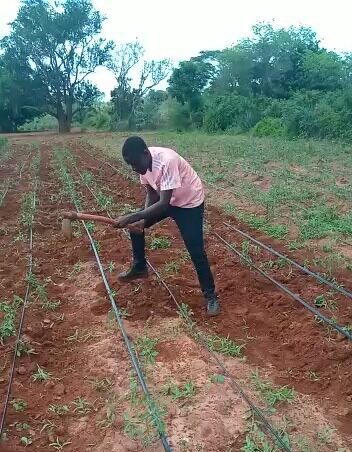
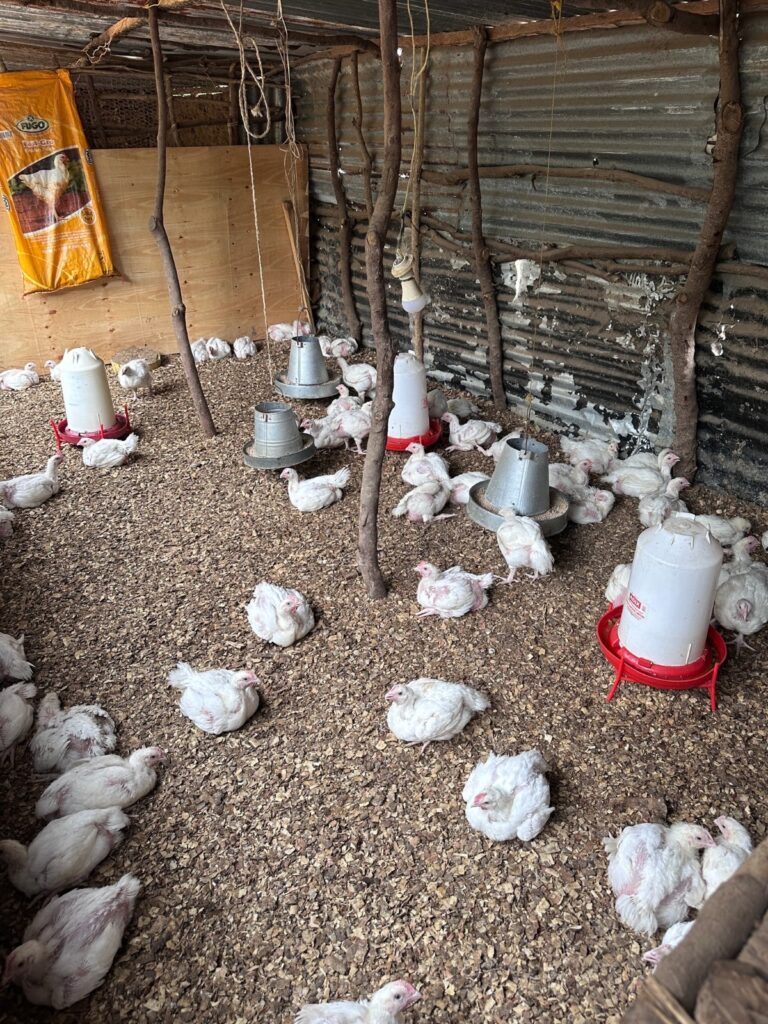
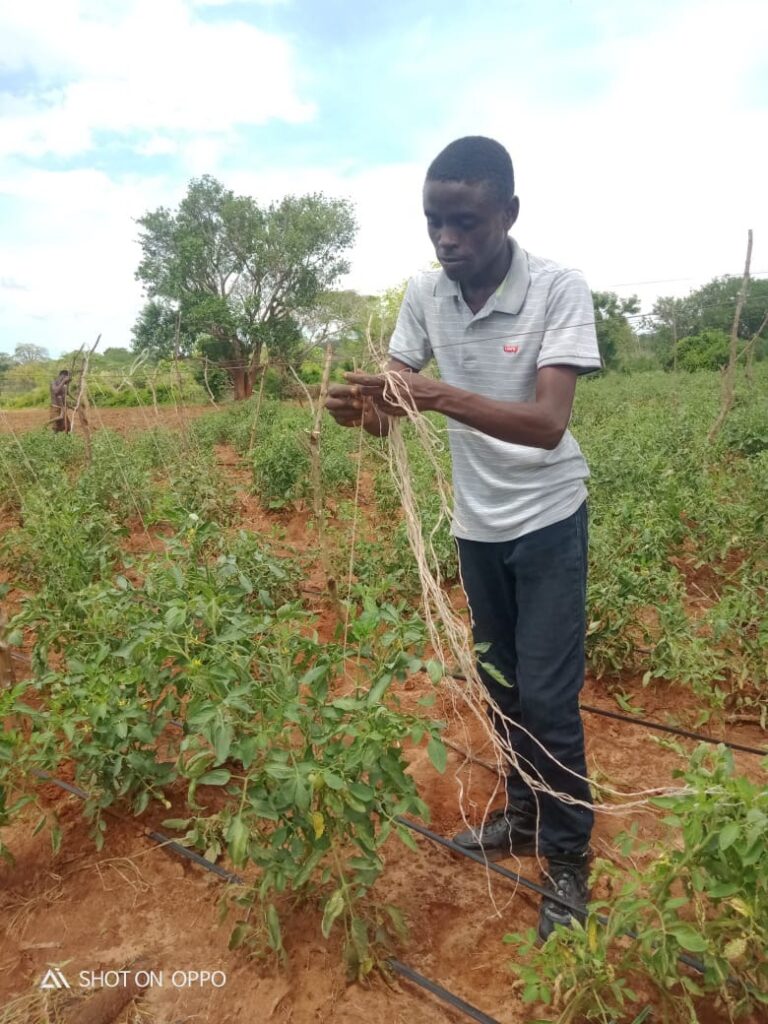
Empowering Novel Agribusiness-Led Employment (ENABLE) Program is co- funded by the African Development Bank (AfDB) and the Government. This youth initiative is a comprehensive program that builds entrepreneurship in agribusiness through skill acquisition and creates an enabling environment in which the youth become owners of profitable agribusinesses. The main objective of the program is to create gainful employment, generate income for the youth and bridge succession gap in agribusiness and related value chains. The program period is five years from January, 2018 to December, 2022.
The ENABLE Youth Kenya Program will be implemented through eight Youth Agribusiness Incubation Centres (YABICs).
- Regional Pastoral Training Centre in Narok County;
- National Aquaculture Development Center in Kirinyaga County;
- Kenya School of Agriculture in Nyeri County;
- Dairy Training Institute (DTI) in Nakuru County;
- Pwani University in Kilifi County;
- Kisii University in Kisii County;
- Ramogi Institute of Advanced Technology (RIAT) in Kisumu County
- University of Eldoret in Uasin Gishu
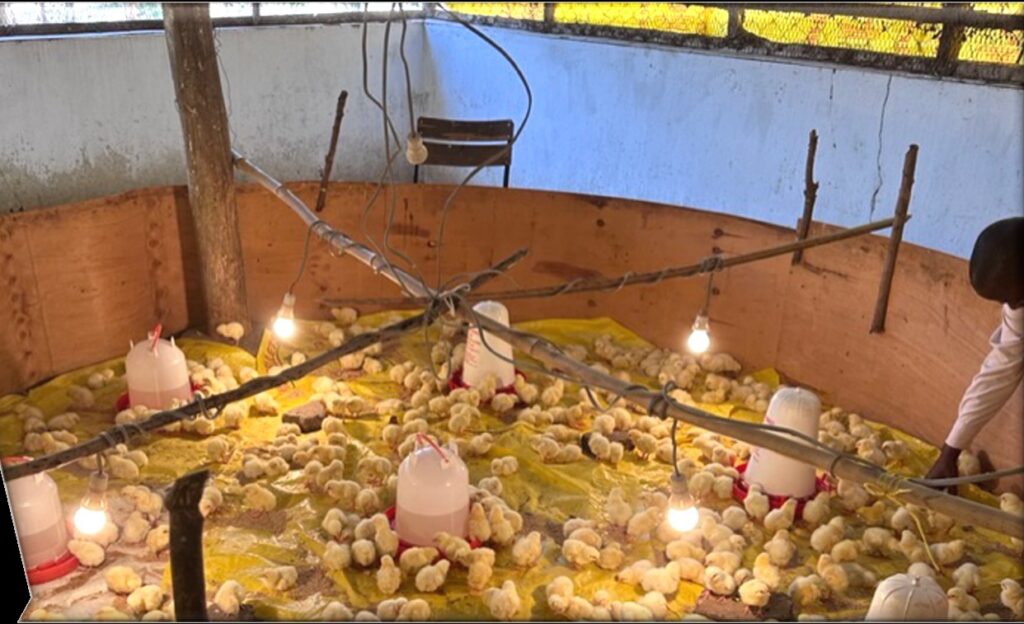
Component 1:
Enabling Environment for Youth Empowerment
Component 2:
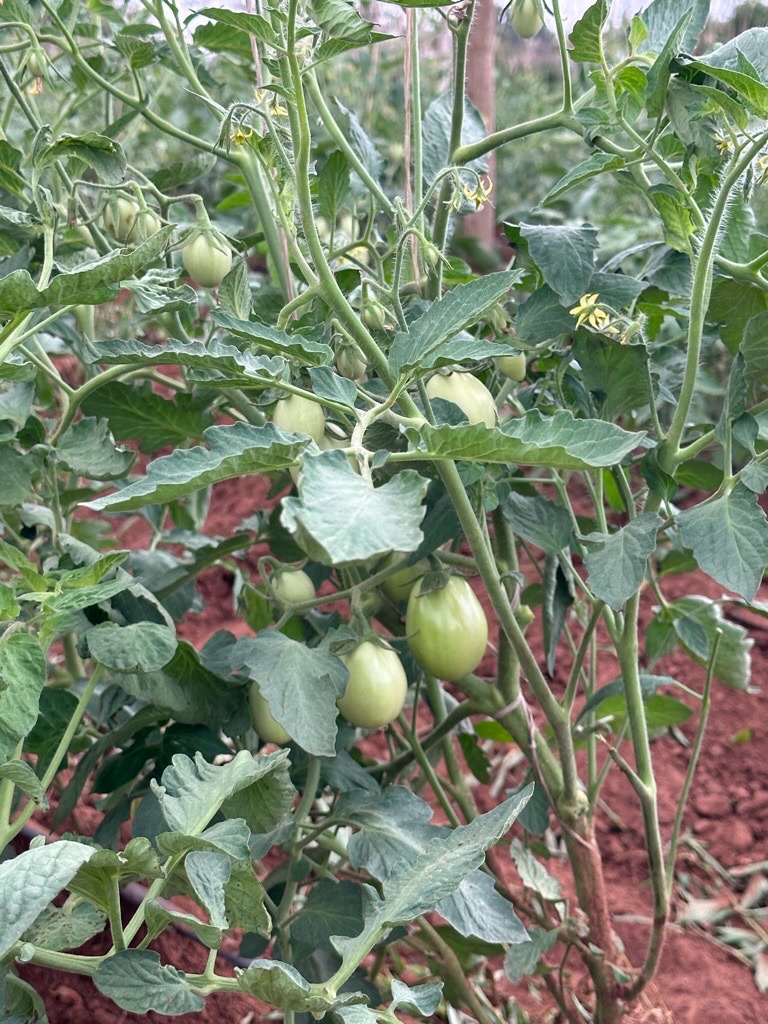
Entrepreneurship and Agribusiness Incubation
Component 3:
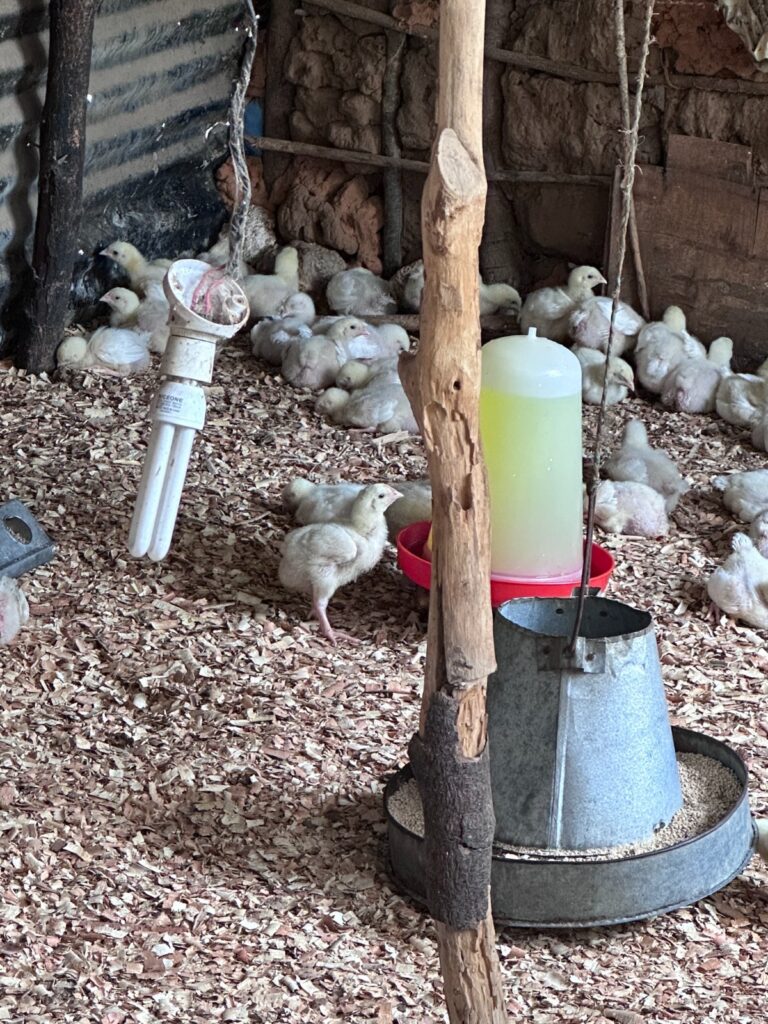
Financing Youth Agribusinesses
Component 4:
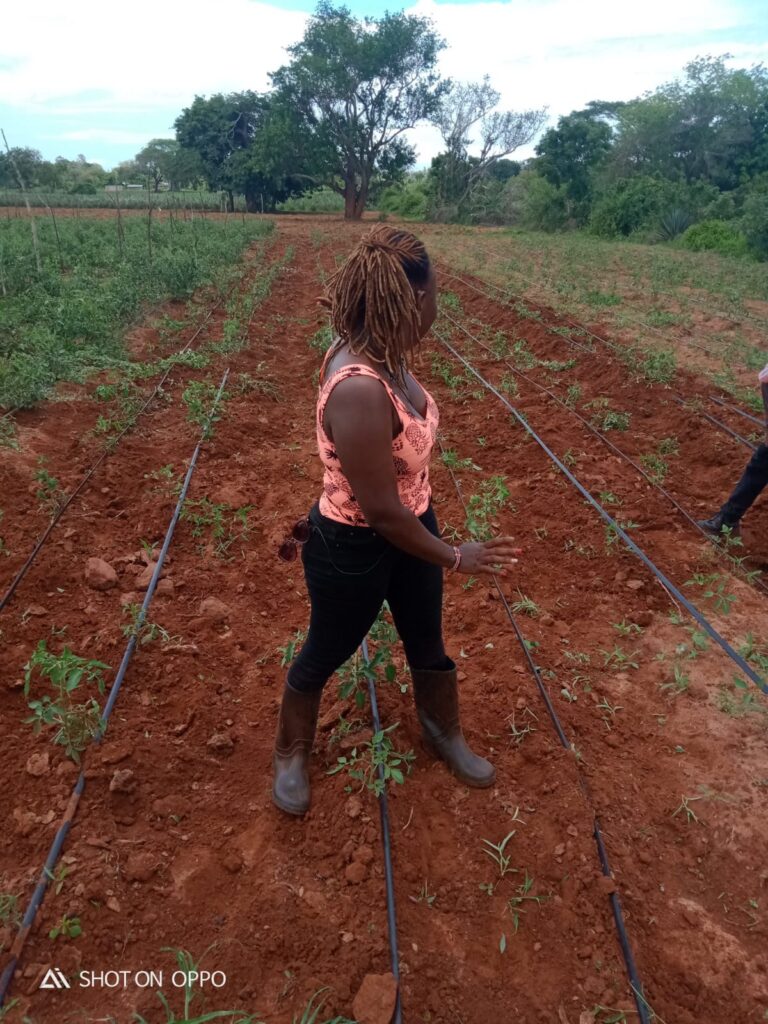
Program Coordination and Management
MISSION AND AIM
ABOUT OUR
Our workshop serves as a platform to disseminate cutting-edge technologies and innovations in cassava production, processing, and marketing. It facilitates learning, collaboration, and problem-solving to address the challenges and opportunities within the cassava value chain.
Why is food and nutrition security a challenge in Kenya?
Food and nutrition security in Kenya is challenged by factors such as climate change, emerging crop diseases, and disruptions in the global food supply network.
What makes cassava significant in addressing these challenges?
Cassava, a drought-resistant and multipurpose crop, stands out for its unique qualities and potential to contribute to food security and employment.
How has cassava's popularity evolved in Kenya?
Cassava’s popularity has grown steadily due to its appeal among consumers and its industrial applications, leading to increased production and research efforts.
What efforts are being made to commercialize cassava?
Various development organizations and state agencies, such as KALRO and KEPHIS, are collaborating on models to promote cassava commercialization from seed to market systems.
What regulatory developments are in progress for cassava?opularity evolved in Kenya?
Regulatory measures, including seed certification protocols, flour blending regulations, and standards for blended flours, are being developed to support cassava’s growth.
Why is the National Cassava Conference and Expo (NCCE) significant?
NCCE, supported by Self Help Africa and the EU, brings together stakeholders to strengthen business connections, reflect on successes, improve regulatory environments, and promote cassava investment, standards, and national branding.
What is the primary goal of the NCCE?
The primary goal of NCCE is to establish strong business linkages, foster trade facilitation, highlight achievements, enhance regulatory efficiency, and boost investment in the cassava value chain.
How does the NCCE promote awareness of cassava and its products?
NCCE aims to increase awareness and consumption of cassava through collaboration, knowledge-sharing, and showcasing cassava’s value and potential.